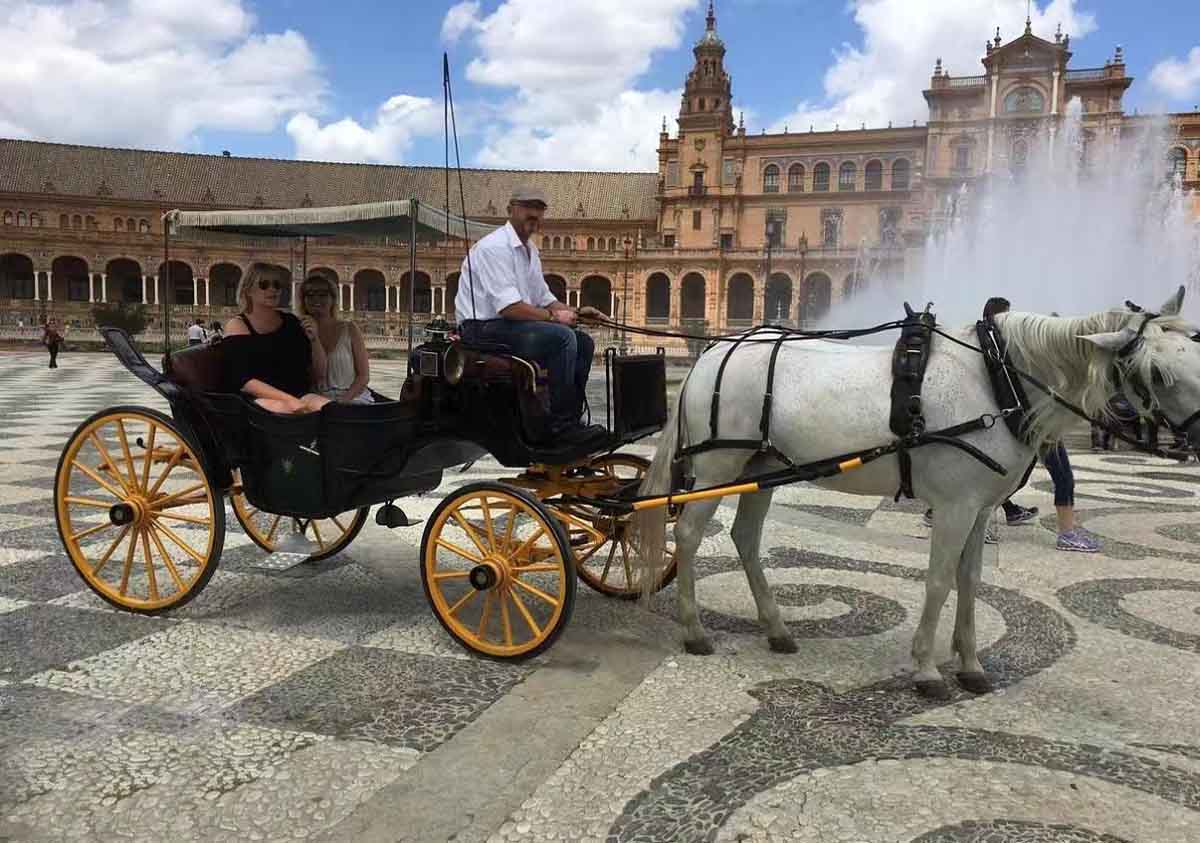
The horse drawn carriage—a crystallization of ancient human ingenuity—embodies the weight of history and the progress of civilization. Far more than a mere mode of transport, it was a faithful companion in daily life and a witness to countless legendary tales. Over the course of more than four millennia, carriages traversed vast landscapes, forging close links between city and countryside and bridging the distances between people.
Despite their simple construction, carriages embody profound human wisdom. The invention of the wheel opened a new chapter in humanity’s exploration of the world, while the domestication of horses further deepened the bond between mankind and nature. In handling their carriages, drivers not only displayed superb skill but also established a silent, intuitive rapport with their horses. As they journeyed across mountains, rivers, and country lanes, it was as if they were engaged in a wordless dialogue with the natural world.
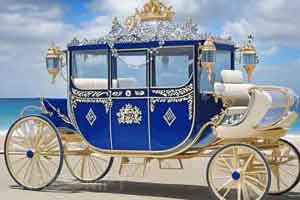
In ancient society, the horse carriage served not only as a means of transporting goods but also as a symbol of aristocratic status. Lavishly adorned with gold, silver, and jewels, these magnificent carriages were like moving works of art, proclaiming their owners’ prestige and power. Over time, the form and function of the carriage evolved, cementing its role as an indispensable element of human civilization.
Throughout the long course of history, the carriage has carried not only the practical needs of transportation but also a rich cultural heritage. It has witnessed the transformations and developments of every era, bearing the dreams and aspirations of humanity. It is precisely this enduring history and cultural significance that allow the horse drawn carriage to continue shining with brilliance today.