
Wooden horse carriage frames and wheel spokes are typically made of hardwoods (such as Bocote or oak). Their primary enemies are moisture, rain, intense sunlight, mold, insect infestation, and cracking caused by temperature fluctuations. Care is categorized into factory-stage protection, daily use, periodic maintenance, and long-term storage.
I. Factory-Stage Basic Preservation (Production)
Thoroughly kiln-dry the timber and control moisture content to prevent future cracking or warping.
Treat wood crevices and mortise-and-tenon joints with anti-mold and anti-insect agents.
Apply wood wax oil or preservative primer followed by a baked topcoat to seal wood pores and block moisture.
Key Focus: Mortise-and-tenon joints, wheel spokes, and the underside of the chassis are most susceptible to water ingress and rot; ensure they have a complete, sealed coating.
II. Daily Use and Maintenance
Immediate action after exposure to rain
Wipe surface moisture dry with a cloth immediately after rain; blow-dry any water pooling in the chassis or wheel crevices. Do not store the carriage in an enclosed space while wet, as this promotes mold and rot.
Avoid prolonged exposure to rain outdoors. Use a waterproof cover for temporary outdoor parking.
Do not park directly on damp soil or grass; place wooden boards or blocks underneath to insulate against ground moisture. Prevent the wooden frame from making direct contact with the ground.
High-salinity coastal environments: Rinse the frame with fresh water after each use, as salt accelerates wood aging and paint peeling.
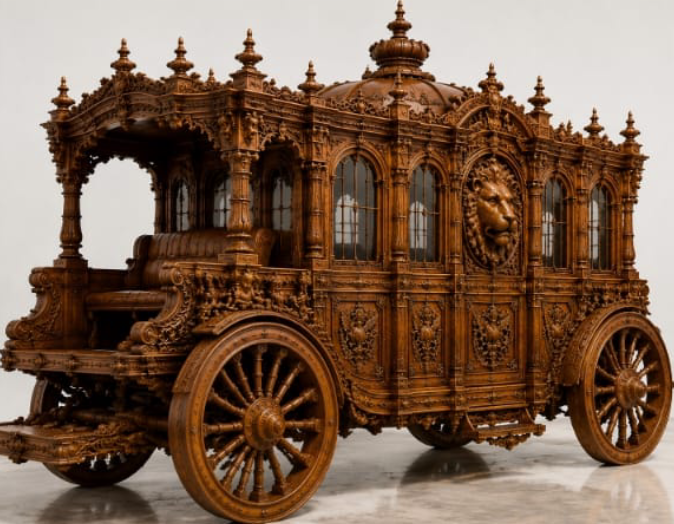
III. Periodic Maintenance (Quarterly / Annual)
Inspection points: Lower edges of the chassis, wheel joints, carriage underside, and corner seams. Check for blistering, mold, peeling paint, or fine cracks.
Minor paint damage: Touch up paint or wood wax oil promptly. Exposed wood absorbs moisture and rots quickly, turning small defects into major damage.
Wood wax oil treatment: Sand exposed wood areas and apply outdoor-grade wood wax oil every 1–2 years.
Cleaning crevices (dust and mold): Use a soft-bristled brush; wipe away minor mold spots with a mild mold remover, then allow to air-dry before applying a protective coating. Points of contact between metal hardware and wood: Ensure rust prevention, as rust can stain and corrode the wood.
IV. Long-term storage (when not in use during the off-season)
Ideally, store in a well-ventilated, dry, and shaded indoor warehouse;
Cover the entire unit with a breathable, waterproof tarp; do not seal with airtight plastic sheeting (trapped moisture can cause mold and wood rot);
Use supports to jack up the horse carriage so the wheels are suspended off the ground; this relieves pressure on the tires and prevents constant stress on the wooden spokes;
Ensure the storage environment is free from dampness and leaks; ventilate periodically.
V. Prohibited actions
Do not wash directly with a high-pressure water gun! High-pressure water can force moisture into wood crevices and mortise-and-tenon joints; unseen internal water accumulation leads to gradual internal rotting. Clean only by wiping with a damp cloth.
Do not leave the carriage exposed to direct sunlight for extended periods; intense sun exposure causes the paint finish to crack and the wood to split.
Do not wrap or seal the horse carriage for long periods using airtight plastic sheeting.
Henan Guangsh Amusement Rides Co., Ltd. is a professional manufacturer of wooden horse carriages, offering custom-made, high-end, and luxury horse carriages in various types and specifications. Please contact us if you wish to place a custom order or learn more about our luxury wooden horse carriages.