
I do not believe a blanket ban on horse drawn carriages is appropriate. This issue involves multiple aspects—including animal welfare, cultural heritage, the tourism economy, and urban traffic—so a more reasonable approach is regulated management and zoning-based control rather than an outright prohibition.
I. Key arguments for a ban
Concerns regarding animal welfare
Hard, cold urban road surfaces cause horses to suffer from hoof wear, joint disorders, and chronic pain due to prolonged walking and standing. Many working horses endure excessive hours without adequate rest, water, or care—sometimes even working while injured—resulting in poor living conditions.
Traffic safety hazards
Horses are easily startled by car horns, crowds, or sudden noises. If spooked and out of control, they can cause carriages to overturn or collide with pedestrians and vehicles, leading to accidents. Furthermore, the mixing of slow-moving carriages with modern motor vehicles disrupts the normal flow of urban traffic.
Environmental and sanitation issues
Manure deposited along the route pollutes the pavement and creates unpleasant odors, increasing the burden on sanitation crews and detracting from the appearance of bustling commercial districts and tourist attractions.
II. Reasons against a total ban
Historical and cultural value
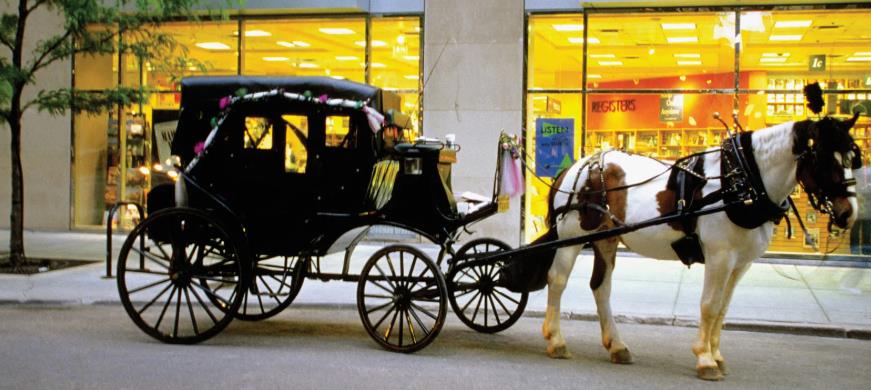
In ancient cities, historic towns, themed tourist spots, and traditional weddings, horse-drawn carriages serve as classic cultural symbols and nostalgic attractions that reflect local history. A complete ban would result in the loss of unique cultural character.
Boosting tourism and the local economy
Horse drawn carriages are a popular attraction that draws visitors and enriches the tourism experience; they also provide a livelihood for many operators. A total ban would directly impact these jobs and local revenue from culture and tourism.
Context-specific suitability
In areas with light traffic—such as historic-style districts, suburban scenic areas, or dedicated sightseeing paths—carriages do not disrupt traffic and can create a unique atmosphere, making their presence justifiable.
III. Comprehensive recommendation: Tiered regulation rather than a total ban
Designate traffic zones: Prohibit carriages on major city thoroughfares and roads with heavy traffic; establish dedicated routes within historic scenic areas, sightseeing corridors, and suburban parks. Implement strict operational controls: limit daily working hours for horses, mandate rest periods and veterinary check-ups, and improve housing and working conditions to ensure animal welfare.
Enforce health and safety management: require operators to promptly clear away manure, implement protective measures for the horses, and conduct regular maintenance on carriages to minimize the risk of accidents.
In short, a total ban would be too extreme, yet a laissez-faire approach would breed numerous problems. Refined regulation—leveraging strengths while mitigating downsides—offers the optimal solution for balancing human, economic, and safety interests with animal welfare.